Common Mistakes When Ordering Seafood on the UK Coast: Freshness, Labels and Season
Half the disappointment in British seafood comes from the same handful of avoidable mistakes. The fish is older than it looks. The label says British when it was only landed here. The menu promises scallops in May and delivers something frozen long before. None of this is a conspiracy; seafood is simply a perishable, seasonal, easily mislabelled product sold in a market where most of us cannot tell one flatfish from another. A sharper eye and four or five direct questions fix nearly all of it.
Fresh Does Not Mean What It Says on the Board
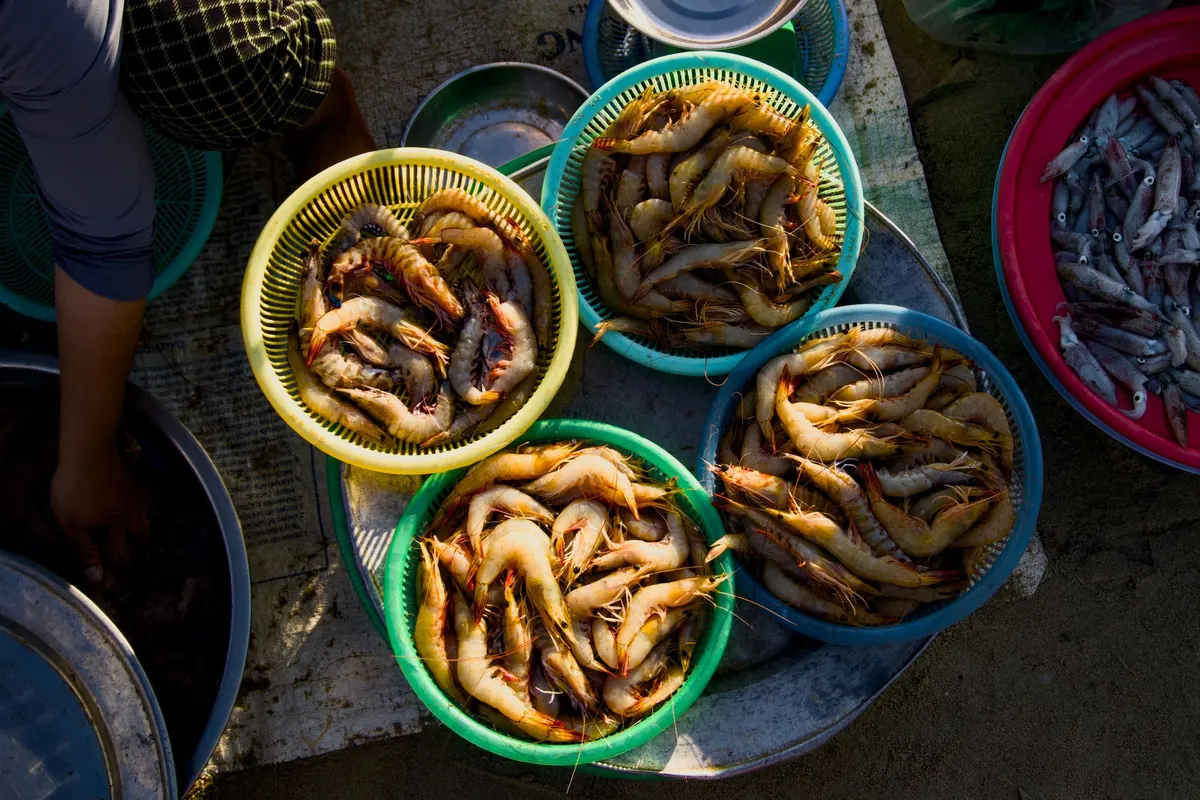
Freshness has almost nothing to do with the word "fresh" written on a chalkboard. It has everything to do with what your senses pick up before you order, whether you are standing at a wet fish counter or sitting at a table.
- Smell. Good fish smells of the sea: cold, mineral, faintly of ozone. Ammonia, sour milk or an old fridge tells you it has been hanging about. If the counter smells of nothing at all, that is usually a clean counter — but trust your nose over the décor.
- Whole fish. Eyes should be clear, plump and slightly domed. They cloud and sink as the days pass. Gills should be pink to dark red, not brown or grey. Press the flank: the flesh should spring back rather than hold your fingerprint.
- Fillets. Look for a glossy sheen, moist edges and flakes that still hold together. Dry, curling rims and splits gaping along the flake lines mean age. Pale, watery flesh is often the result of poor handling rather than a bad fish.
- Storage. Fish should sit on ice, drained, not swimming in meltwater. Mussels and clams should be cold, damp and closed.
Then there is the question nobody minds being asked: when did this come in? A good fishmonger answers instantly, often with the name of the boat or the port. A vague answer is information too.
One more thing worth unlearning: frozen is not automatically worse. Fish blast-frozen at sea within hours of being caught can be in better condition than a "fresh" fillet that has spent five days in transit. Ask whether it was frozen at sea, and judge accordingly.
Country of Origin, Caught In and Landed In Are Three Different Things
Label wording does a lot of quiet work. A packet can reasonably carry a British flag while the fish inside was caught in the North Atlantic and merely processed here. Look for the wording that tells you where it was caught or fished, and where it was landed. If a label only says where something was packed or produced, it has told you nothing about the sea.
Loose fish sold at a counter is expected to be displayed with its proper species name, whether it was wild or farmed, and where it came from. If that information is missing, ask. It is a fair question, not a fussy one.
Species swaps are the other quiet trick. Pollock, saithe and hake have all been sold as cod. Witch flounder appears as lemon sole. Ask for the actual name of the fish and where it was caught. If the answer is "it's like cod, but cheaper", you have your answer.
Certification helps but is not the whole picture. The blue fish tick covers wild fisheries, and farmed seafood has its own schemes. Plenty of small day boats and inshore fishermen are simply too small to be certified, so absence of a logo is not proof of bad practice. Ask instead.
Season Beats Menu Logic
Seafood has a calendar, and coastal menus do not always respect it. A restaurant listing identical dishes in February and August is usually working from a freezer, not a harbour. That is not automatically bad — frozen crab and prawns can be excellent — but you deserve to know which you are getting.
- Spring. Crab starts to come good, along with cockles and the first of the summer flatfish.
- Summer. Mackerel at its oily best, sea bass, sardines and pilchards, brown crab, and scallops on many coasts.
- Autumn. Mussels fatten, oysters return, lemon sole and hake are strong choices.
- Winter. Native oysters in their traditional months, cod, and cold-water shellfish.
- Year round. Farmed oysters, rope-grown mussels, and farmed salmon and sea bass are reliable whatever the month.
The old coastal rule of thumb — only eat shellfish in months containing an R — was written for wild beds and warm water. Modern farming and refrigeration have softened it, but the principle survives: shellfish is at its best when the water is cold.
Rules on catching wild species, including closed seasons and minimum sizes, vary around the UK and change from time to time. If you want to eat with a clear conscience, ask the fishmonger or check with the relevant fisheries authority rather than relying on an old saying.
Shellfish Tells You It Is Alive
Mussels, clams and cockles should be shut tight, or should close when tapped. A shell that gapes and stays open is a dead one; leave it. Once cooked, the meat should be plump and smell sweet. Crab should feel heavy for its size, with bright white meat and dark, glossy brown meat — dry, chalky or grey flesh means it has been sitting too long. Lobster is worth a question of its own: a hard-shell lobster carries far more meat than one that has recently moulted, even at the same size.
If you are pregnant, older, or living with a weakened immune system, be cautious with raw or lightly cooked shellfish and ask your GP or midwife for advice before ordering. That is a personal medical judgement, not one a menu can make for you.
Questions Worth Asking Without Making a Scene
Menu language is mostly decoration. "Catch of the day", "market fresh", "day boat" and "locally sourced" have no fixed meaning. Here is a short script that works at a counter or a table.
- What species is this, exactly?
- Where was it caught, and when did it come in?
- Was it frozen at sea or fresh off the boat?
- Is the crab picked fresh here or bought in dressed?
- Are the scallops hand-dived or dredged?
- Is the scampi whole langoustine tails, or a processed product?
- Is this in season, or frozen from last year?
Ask two of these, cheerfully, and you will usually get a straight answer. Staff who care about fish enjoy being asked.
Ordering Well in Practice
Choose one thing and ask about it rather than interrogating the whole menu. Sit somewhere you can see the kitchen or the counter if you can. Order the fish that travels least and appears on the board in handwriting rather than laminated print. If a coastal town has a fishmonger, ask them where they would eat — that answer is usually better than any review.
Then be willing to change your mind. If the crab is finished, the mackerel came in this morning and the lemon sole looks tired, order the mackerel. The best seafood meal on the coast is rarely the one you planned; it is the one the tide delivered that morning.
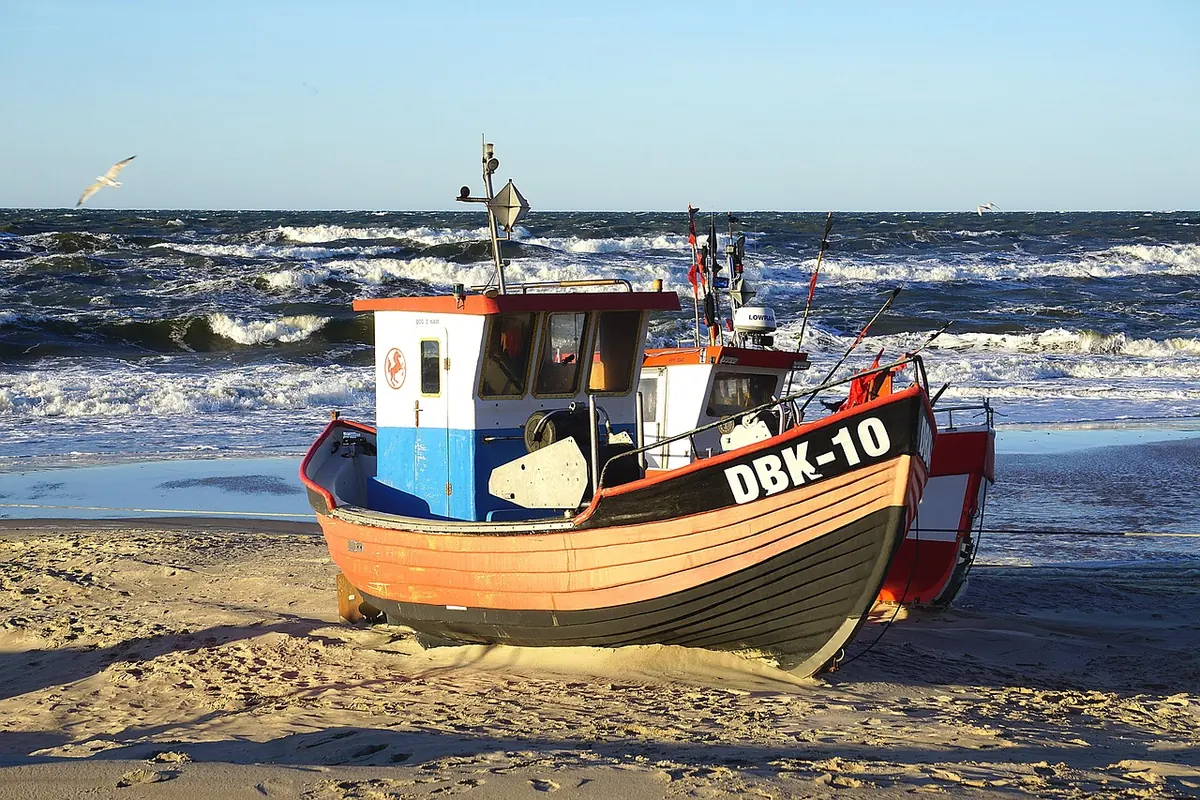
Photo: 8664447 / Pixabay