Common Beach Mistakes UK Visitors Make: Tides, Sunburn and Litter
Most trips to the beach go wrong slowly, then all at once. The tide creeps round the back of a sandbank while everyone is eating sandwiches. Someone who felt chilly in the car park an hour ago now looks distinctly overcooked. And by five o'clock the bins are full and there is a small mountain of packaging beside them. None of these are disasters in waiting — they are habits. Get a few of them right and a day at the coast becomes far more relaxing.
Tides: the sea does not follow your schedule
Tide times are published for a reason, but the usual mistake is looking at the wrong place. High water at one end of a long bay can be an hour or more out from high water at the other end, and a beach five miles along the coast is a different calculation again. Check the tide for the nearest big town rather than your actual stretch of sand, and you are guessing.
The other half of the problem is height. Two high tides on different days can be metres apart in how much sand they cover, which is why the spot that stayed dry last Saturday is underwater today. On flat sand the incoming tide moves at a pace that genuinely catches people out, and it often arrives through a channel behind you rather than at your feet.
A workable routine
- Look up tide times for the exact beach, not the nearest town.
- Note the height as well as the time, and compare it with the day you last visited.
- Find out when the tide turns. Aim to be off the low-water mark an hour before it starts to push in.
- Glance behind you now and then. If water is filling a channel between you and the path, move now, not in twenty minutes.
- Treat estuaries, mudflats and tidal causeways with real caution. They fill quickly, the mud is soft, and a shortcut across them is not a shortcut.
If you do get caught out, get to high ground, stay there and call 999 and ask for the coastguard.
The walk that only works one way
Round a headland at low water, a beach looks perfectly reachable. What people forget is that the return leg happens on a different tide. The rocks they scrambled over are now chest-deep, with no path above them. The same goes for tidal causeways and the low-tide sandbars that appear to link two beaches. If the route only works at the very bottom of the tide, it does not work as a day trip.
Then there is swimming. Calm-looking water can still carry rip currents, which pull away from the shore rather than along it. If you are caught in one, do not fight it head-on — swim parallel to the beach until you are clear, or float on your back and let it release you before making your way in. Swim at lifeguarded beaches where you can, and watch children yourself rather than trusting a lilo to do it.
Even in a good August, most UK sea temperatures sit somewhere in the mid to high teens. That is cold enough to snatch your breath away if you plunge straight in. Walk in gradually, and get out before the shivering starts.
The British sun is not being polite
A cloudy sky is not a sun hat. UV passes through cloud, and a sea breeze keeps you cool enough that you never notice your skin cooking. Sand and water bounce light back at you, so ears, the back of your neck, the underside of your nose and the tops of your feet all burn while you feel perfectly comfortable. The first hour is the classic window, because the sun cream is still in the bag.
Apply cream before you leave the car, use a high factor, and reapply every couple of hours and after every swim. Add a hat and a shirt for the middle of the day, and rig a windbreak or parasol for shade. Keep babies out of direct sun. If a burn blisters, or a child seems unwell rather than simply pink, speak to a pharmacist or GP.
Cold, wind and inflatables
Car parks sit behind dunes and sea walls; the beach in front of them is often several degrees cooler and noticeably windier. Families arrive in shorts, spend three hours being sandblasted, and drive home exhausted and shivering. Wind chill makes a mild afternoon feel like a different season, and cold, tired children are both miserable and hard to supervise.
Pack a layer you did not think you would need, a windbreak, and a flask. Leave the inflatable at home if the wind is blowing offshore. A lilo in an offshore breeze is a fast one-way ticket out to sea, and nobody on the beach can swim faster than the wind. If you see someone being blown out, call the lifeguards or the coastguard rather than swimming after them.
Litter, holes and everything else we leave behind
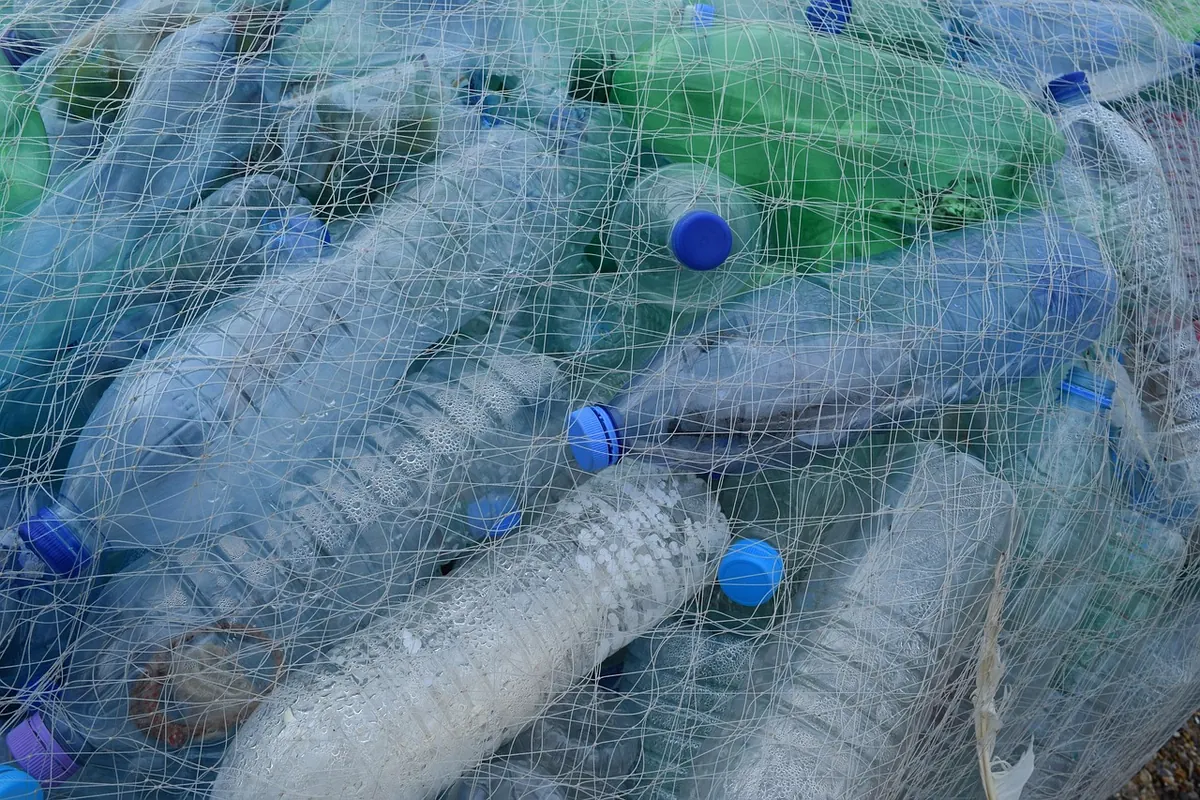
End-of-day bins overflow. If yours is full, that is not really the bin's problem — it is a bag in the car boot. What matters more than the big items is the small stuff, because that is what wildlife actually eats or gets tangled in.
- Take everything home, including wet wipes, bottle tops, fruit peel and cigarette ends. "It breaks down eventually" is not a reason to leave it on sand.
- Coil and pocket fishing line and crabbing lines. They cut, they tangle, and they last for years.
- Do not bury rubbish. It reappears, usually where a child is digging.
- Fill in any hole you dig before you leave. Sand walls collapse, and open holes break ankles and stop lifeguard vehicles.
- Check local rules on dogs and disposable barbecues. Many councils restrict both in summer, and a scorched patch of dune takes a long time to recover.
- Return crabs and other creatures gently to the water where you found them.
A five-minute check before you go
None of this needs kit or expertise. It needs five minutes on your phone and a bit of honesty about the weather.
- Tide times and heights for the exact beach
- Sun cream, hats, a warm layer, drinking water
- A bag for your rubbish
- A clear plan for who is watching the children near the water
Check wind direction as well as temperature, tell someone where you are heading, and if the coast looks beyond you, save it for another day. And if you are ever unsure about the water, ask a lifeguard. They would far rather answer a question than launch a search.
Photo: MatthewGollop / Pixabay