How to Compare Beginner Sailing Courses on the UK Coast: Costs, Length and Certification

Choosing a first sailing course is a bit like choosing a first car: the specification rarely tells the whole story. A two-day taster and a five-day residential can both end with a certificate in your hand, yet you will step off the pontoon with very different skills, sea miles and appetites for more. Comparing them properly means looking past the headline price and asking what actually happens between the first safety briefing and the final mooring.
Start With What You Want From the Course
Before you compare anything, decide which of three things you are after: a low-risk taste of sailing, a recognised certificate that lets you crew or charter, or enough confidence to handle a boat with family aboard. The answer changes the format you should choose.
If you simply want to know whether you enjoy it, a weekend or a short midweek course on sheltered water is plenty. If you have your eye on a flotilla holiday or bareboat charter, you will need training from a recognised scheme, and that usually means a longer course with more sea time. Yacht and dinghy pathways differ too. The RYA's Start Yachting and Competent Crew courses take place on keelboats, while Level 1 and Level 2 dinghy courses teach you in small open boats where you feel every shift in the wind.
Neither route is better. Dinghies sharpen your feel for wind and balance; yacht courses teach engine handling, mooring, pilotage and living alongside a crew in a confined space.
The Three Main Formats, Compared
Weekend courses
Typically two days, sometimes starting on Friday evening. They suit people with limited annual leave and are a sensible way to test whether you like being on the water at all. The trade-off is fragility: one blown-out day can remove half your time afloat, and there is rarely room for a proper passage or a night watch.
Week-long courses
Five days aboard usually allows for tide planning, pilotage, longer passages and at least some night sailing. You also get the repetition that turns a demonstration into a habit. Living on the boat for the week is tiring but efficient; by Thursday most people are mooring with far less discussion.
Residential or not
Residential courses include accommodation, often a bunk on the boat and meals cooked aboard. That keeps the group together, saves on travel and gives an honest introduction to boat life. Non-residential options let you retreat to a B&B or a camper van each evening, which some people find much easier to sleep through.
- Weekend: lowest cost and commitment, least sea time, easiest to book at short notice.
- Midweek or week-long: strongest skills-per-pound for most beginners, but needs more leave and travel.
- Residential week: immersive, sociable and the closest thing to cruising; hardest to fit around work and family.
What You Are Actually Paying For
Course fees vary widely by region, season and what is bundled in, so compare quotes rather than advertised headlines. The main cost drivers are worth knowing:
- Location. Popular south coast centres and the Solent carry a premium; Scotland, Wales, the North East and Northern Ireland often cost less for comparable training.
- Season. High summer and bank holidays are dearest; early spring and late autumn are cheaper and quieter.
- Boat and group size. A smaller crew means more time on the helm. Ask for the maximum number of students per instructor.
- Inclusions. Accommodation, food, waterproofs, mooring fees and certificate registration may or may not be part of the price.
- Travel. A cheaper course two hundred miles away can cost more once fuel, parking and a night's stay are added.
Ask for a written breakdown before paying a deposit, and check the cancellation and weather policy. If you are spending a significant sum, treat it as you would any other purchase and read the terms properly.
Length: Count Hours Afloat, Not Days on a Calendar
A two-day course might deliver twelve to sixteen contact hours; a five-day course can double or triple that. Those extra hours are where competence comes from, which is why a week-long course is often better value per hour than a weekend, even when the total looks daunting.
Weather is the variable nobody controls. Ask each school what happens if wind or sea state rules out sailing. Do they run shore-based sessions on knots, collision regulations and meteorology, offer a replacement day, or refund? A centre with a clear plan for poor weather is a better bet than one that shrugs.
Ask where you will sail, too. A course based in a sheltered harbour builds confident boat handling in calm water; one that ventures along an exposed coast adds passage-making and rougher conditions. Both are useful, but they are not the same product.
Certification: Read the Small Print
Most UK sailing schools teach within recognised schemes, and RYA courses are the ones most commonly quoted by charter companies. What you receive is a certificate of training, not a licence. In the UK, private recreational sailing does not require a licence, but charter fleets, some inland waterways, racing crews and overseas authorities may ask to see evidence of your experience, so keep a logbook from day one and record every trip.
Check three things before booking:
- That the school is recognised by the awarding body and that the certificate fee is included in the price.
- What the course qualifies you to do next, and which course follows it.
- Whether the certificate is issued at the end of the week or posted later.
If your long-term aim is skippering your own boat or chartering abroad, a certificate is a starting point rather than a finish line. Miles, varied conditions and time on different boats matter just as much.
Making the Final Call
Shortlist two or three courses that match your aim, then compare hours afloat, group size, inclusions and weather policy rather than price alone. Ring the school and ask how a typical day runs; the answer tells you a great deal about how they teach.
If you are unsure, start with a weekend near home. You will learn whether you love it, and you will lose very little if you do not. If you already know you want the certificate, book the longer course in shoulder season, pack warm layers and arrive rested.
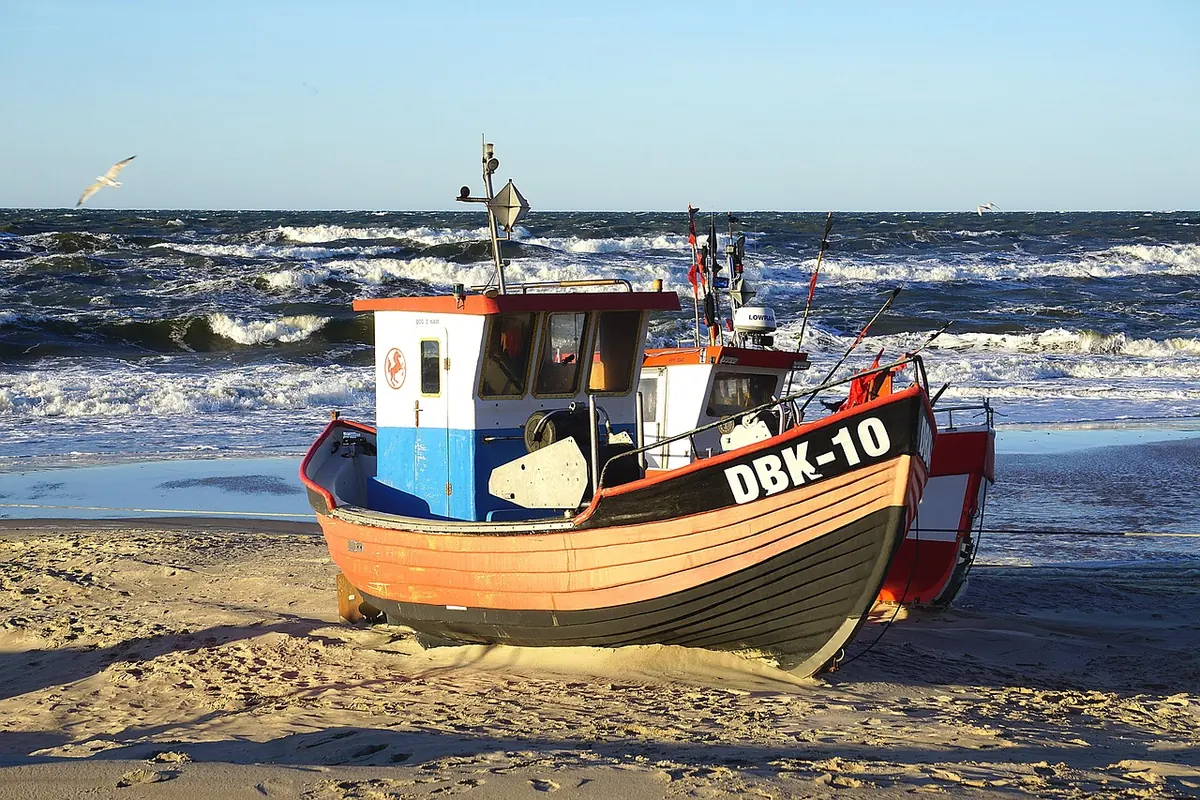
Photo: 851878 / Pixabay